


All Humans Outside: More Stories of Belonging in Nature
Kam Redlawsk
I WAS ABANDONED AT BIRTH IN DAEGU, South Korea, and adopted by a white family in Michigan. I had a regular working-class Midwest upbringing. I played more “tomboy” types of sports with my big brothers and soccer for about thirteen years. In high school, I began to notice things were different about me physically.
While playing soccer my junior year of high school, nothing happened when I went to kick the ball. Even though I thought “kick,” I physically couldn’t—there was a disconnect between my body and mind. I suspected something was wrong as this lack of control persisted, and thus began the journey of learning that I had an extremely rare muscle-wasting disorder: GNE myopathy.
I worked to be my own best advocate to find out what was going on while I was traversing the diagnosis process. It took me about five years and five different diagnoses to find some semblance of what was happening to me. As my disease progressed, I started using a cane first, then braces as my legs weakened. It was frustrating because my body was wasting away, but I still had no answers. Every time I would find an explanation, I would eventually learn my diagnosis was incorrect and then I would have to start all over again. The hardest part was doing it all alone because no one believed me.
Disability is incredibly diverse. Society tends to lump all disabled people under one umbrella when, really, everyone has different conditions, diseases, and parameters around their situation. My disease is progressive, so I am constantly forced to adapt to a moving target—and adapt to loss. Every week, every month, every year something changes, and I lose something. I’m not just losing parts of my physicality; I’m losing things that I loved and used to do, things that I equated with my identity. That’s been one of the most difficult aspects of having a progressive condition.
My condition has also forced me to look at aspects of my life beyond my physicality. For that, I’m really grateful, because it’s pushed me to live my life knowing that it’s progressive and I do have time, but one day, I won’t have any mobility left. That really gave me a focus and purpose. My life isn’t over, but I know these things I can do will be over one day—so I’m going to live.
I have been living with this disease for more than twenty years, and it still hurts me to talk about it. Even though I’ve lived with it half of my life, saying it out loud makes it feel real. I’m not remembering something that has happened; I’m experiencing something that is happening now.
My disability has never stopped my relationship with nature. I never had any role models or ever saw any disabled people represented out in nature. I just knew that I loved road trips and being outside. It would be nice to do so much more when I’m out in nature. I wish that national parks or recreation areas would think of disabled people when they create trails—making them flatter or
paved so we can traverse the space with ease. At the end of a road trip, when I’m looking in the rearview mirror, there’s inherent sorrow because I wish I could’ve seen more.
I think most nondisabled people think disabled folks don’t want to come out of our houses or do things outdoors. But the reason you don’t see us is because places are inaccessible. What people don’t see is that we are human and normal just like everyone else—we have the same passions, the same curiosities, the same heartaches and struggles. The more people see us, the more they will think of us and realize we are more alike than not. That’s why stories like mine are so important.
Disability is such a harrowing experience for people to imagine because imagination is just empathy in creative motion. To imagine what life is really like for a disabled person requires empathy, which provokes change— changing minds, laws, accessibility, and structures so that they include all people. For access to nature to be truly inclusive, it’s essential to represent the spectrum of the human condition that exists.
Zachary Darden

INDIANA HOLDS A SPECIAL PLACE IN MY HEART, encompassing my love for my home state and the adventurous spirit of Indiana Jones. While the outdoors in Indiana was a constant in my life, my family would take a lot of trips to Tennessee, where my familial roots trace back to generations of ranching. When I was ten, one unforgettable vacation took us to Clingmans Dome, the highest point in the Smoky Mountains. While engaging with the park rangers conducting tours, I was captivated by their stories of exploring the mountains, roaming around in their work trucks, and discovering the depths of the lush forests of Appalachia. The idea of working in such an outdoor-centric profession lingered in my mind, sparking a childhood dream that eventually led me to become a park ranger and conservationist.
Returning home from that trip, my passion for nature found an unassuming yet meaningful symbol—a cowboy hat-like fedora inspired by the release of Indiana Jones and the Kingdom of the Crystal Skull. Putting on that hat made me feel invincible, like I could climb any tree, sail any ocean, or weather any storm. It instilled a sense of adventure, bravery, and deep appreciation for the places I would explore—much like Indiana Jones. Over time, it would become more than a fashion statement; instead, it was a staunch rebellion against racial stereotypes I eagerly wanted to disassociate with.
Throughout my teen years, I began to hide the nature-loving, adventure-seeking part of myself. The state of Indiana is primarily white, leaving me with this overwhelming sense of pressure to conform to racial expectations. I tried to fit in by wearing the newest Jordans or listening to rap music, even though those things never truly resonated with me. My passion for the outdoors stayed concealed as my young mind created this erroneous idea that the only individuals worthy of wearing cowboy hats in the woods were white men. I knew deep down that my true self was that kid playing in the creek behind my parents’ house in Indiana, fishing, building structures out of sticks with my brother, and exploring with that cowboy hat proudly atop my head.
It wasn’t until I moved to New Mexico and embraced its diversity that I realized I didn’t have to succumb to societal expectations, discovering the rich history of Black explorers of the region, like Esteban de Dorantes, reignited my curiosity of nature and my pride in being a Black outdoorsman.
As my career segued from environmental education to conservation, my cowboy hat accompanied me into a new role as a natural resource specialist in New Mexico. My distinctive attire—with dreads and earrings as I coordinated events and trail work—set me apart from my white counterparts, who were usually twice my age. Stereotypes fueled conversations about basketball games or the newest Drake album with people who never inquired about my deep-seated passion for making change or leaving my mark.
My dad always told me to leave things better than I found them, and those words have become my career ethos, hoping to change the narrative that conservation roles belong exclusively to white folks. A wealth of knowledge exists in human diversity. By giving everyone a seat at the table, we can inspire innovative methods, traditional practices, and a deep connection to the land—lessons that are so culturally profound that no four-year university can teach them.
My position in conservation has become more than a career—rather, it is a mission to challenge stereotypes and encourage more diversity in outdoor professions. Once a symbol of rebellion, over the years my cowboy hat has transformed into a beacon of representation both professionally and personally, showing that there is no one race or color more deserving of the wide-brimmed beauty of nature.
Find more powerful All Humans Outside profiles on our blog here.
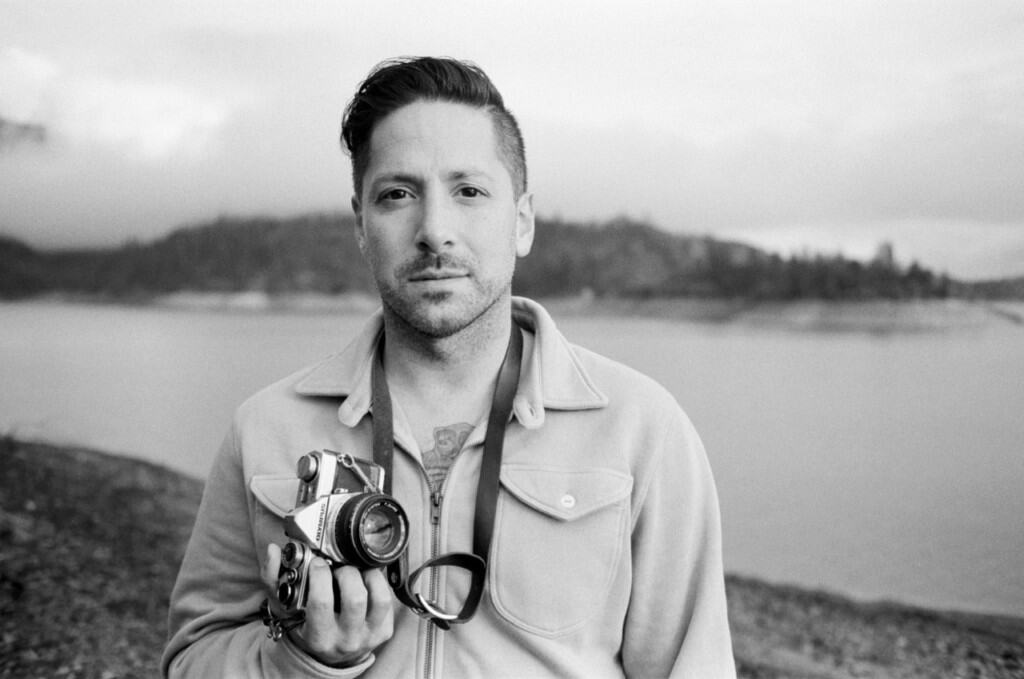 Tommy Corey is an LGTBQ+ Mexican-American photographer whose creative endeavors focus on diversity, inclusion, and accessibility in the outdoors. His work has been featured by Outside, Gear Junkie, PetaPixel, This Is Range, the Pacific Crest Trail Association, and many outdoor nonprofits. His thru-hike of the Pacific Crest Trail led to a wholehearted devotion to the outdoors. Corey is based in Redding, California. Visit him online at tommycorey.com.

Excerpted and adapted from All Humans Outside by Tommy Corey (May 2025). Published by Mountaineers Books. All rights reserved. Used with permission from the publisher.
Book links: