


The Outdoors is for Every Body
July is Disability Pride Month – a time to reflect on the achievements and daily experiences of the disabled community, and learn how we can work together to co-create outdoor spaces that are welcoming and accessible for Every Body.
When you hear “disabled” what comes to mind? Ramps, wheelchairs, parking spots?
I live with a dynamic disability and before my diagnosis, that’s how I thought about disability too. And frankly, that made it hard to know how to show up as a disabled person in outdoor spaces that feel most like home. I wondered, would I still be able to access my favorite trails? How would I navigate crag days and hikes with my friends and family?

As both a staff member and program participant at North Cascades Institute, I’m lucky to be part of a community that believes in making nature and outdoor education accessible to all ages, backgrounds and abilities. But sometimes it still feels difficult to join in while navigating the world in a body that works a bit differently.
Growing up as an outdoor athlete – climbing, backpacking, trail running – I’ve always felt both empowered and comforted by wild places. Recently though, my favorite nature spots seem like a maze of barriers that only I can see – trails that can’t accommodate my wheelchair or are too steep for hand-held mobility aids, or meetups where I can’t keep pace with the group. Aided or un-aided, I move slower these days and that means finding new ways to connect with nature. Navigating these choices can be tough, but learning to live with a dynamic disability has also been an opportunity to discover the kaleidoscope of experiences and identities within the disability community, and appreciate the varied ways we all explore outdoors.
Disability is different for everyone. Our needs range from adaptive equipment to inclusive interpretive signage, or accessible-built environments, space for rest breaks, and caregiver support.

It’s not about trying harder, asking for less or minimizing your needs. It’s being honest about your lived experience, inviting your community to ask thoughtful questions and learn more about how disabled people navigate the world. Through a better understanding of disability, we can come together, break down stereotypes and advocate for universal access in outdoor recreation and education.
This Disability Pride Month, consider connecting with disabled people in your community to start the conversation about co-creating safe, welcoming spaces in the outdoors where everyone can learn, connect and explore. Here are just a few things to consider about disability and the disabled experience to help break down barriers and build understanding.
+ Disability is not all or nothing. For many, including myself, it is DYNAMIC. All of us have experienced differences in what our body can do day-to-day, and for those of us who are disabled or chronically ill, it’s no different. But nature welcomes all of us to come as we are, and my hope is for an outdoor community and outdoor spaces that do the same.
+ Disability is DIVERSE and each disability is a unique experience. The ways we use our bodies throughout our life are as diverse as the ways and places we love to explore outdoors. And the tools we use to learn and play outside are variable too – hiking boots, crampons, forearm crutches, wheelchairs, multi-sensory signage. As a disabled person, my adaptive aids don’t hold me back – they give me freedom! And built environments designed to welcome people of all abilities do the same.
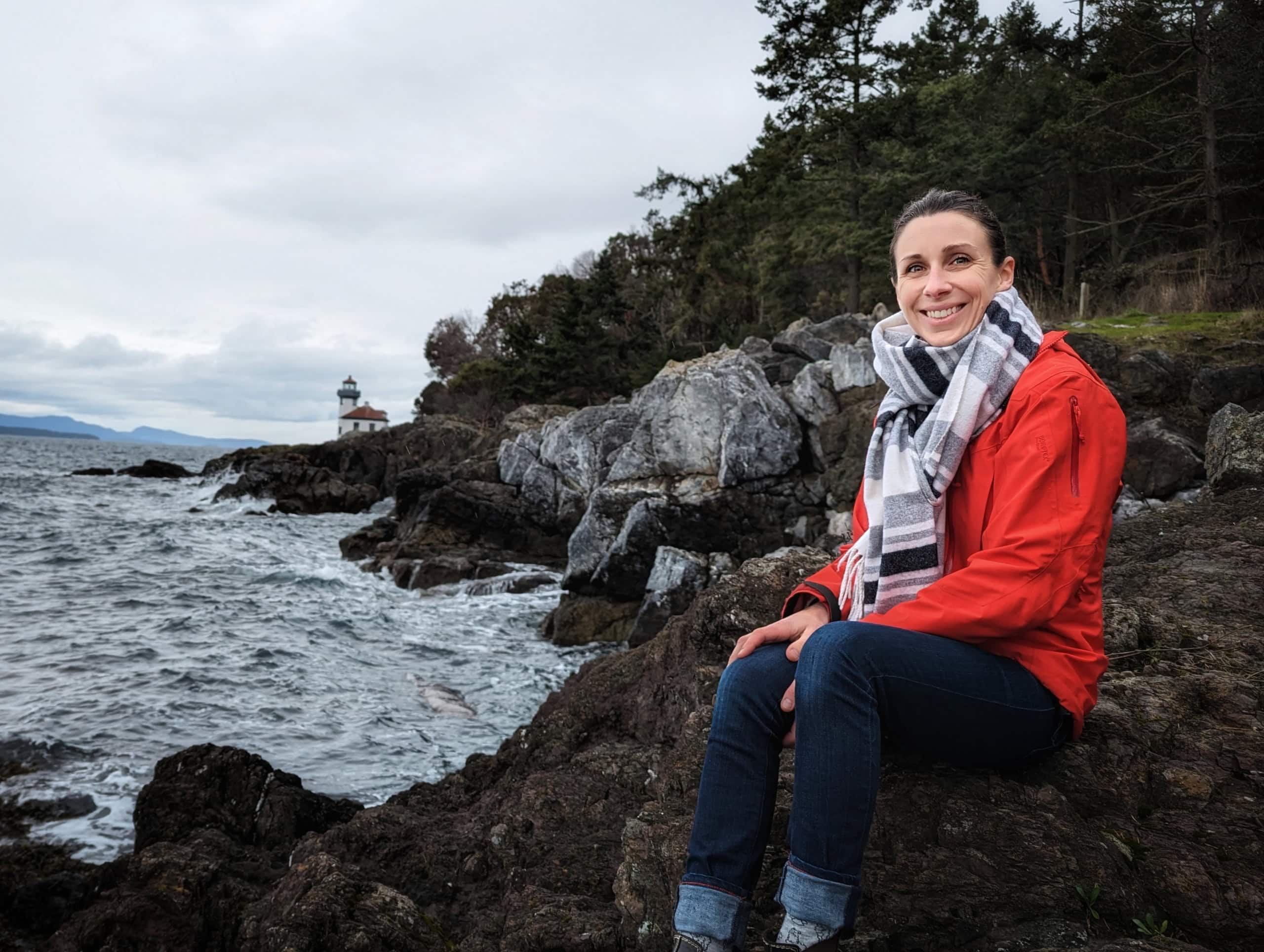
+ Disability is not inability. When I’m out in nature, I’m not “overcoming” disability. I’m exploring within my body’s limitations and abilities, just like you. Some days that means a long, wandering hike with my kids. Some days it’s just sitting quietly in the backyard, listening to bird song. No matter how we show up, nature offers all of us space for recreation, comfort, connection and healing. EVERY BODY deserves welcoming, safe spaces to enjoy all the benefits of time outdoors.
We are all connected through the natural environments where we live, work and play. Time spent in nature has been shown to lower blood pressure and decrease pain, speed mental and physical recovery, increase self-confidence and foster connection.

Anyone can become disabled at any time, so we all benefit when outdoor spaces are designed to be welcoming and accessible to every person. And a better understanding of how disabled people navigate the world not only helps us work towards improved accessibility, it also brings us closer to true inclusivity in the outdoors.