

From the Trail: Phenology and Climate Change in the North Cascades
Spring has sprung in the North Cascades
Congratulations! After surviving the dark and rainy days that is Washington winter, Spring is finally here in the North Cascades! Snow still clings to the high peaks, but meadows, rivers, and forests are bustling with new life. Longer days bring more sunlight, warmer air, and plants and animals are noticing.
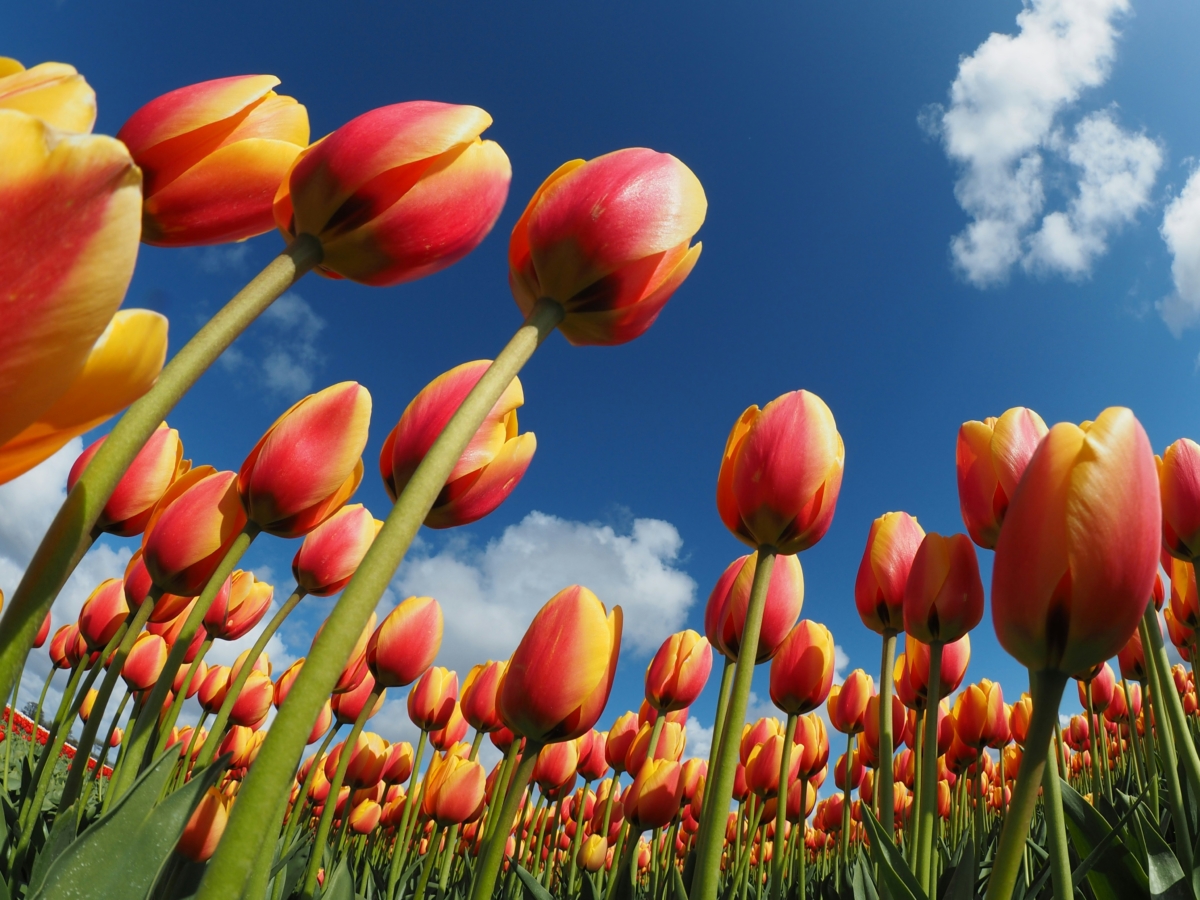
If you take a walk along a lower elevation forest trail or peek into a river valley, you can see buds swelling on trees, the first wildflowers pushing through thawing soil, and birds returning from migration. But let’s not forget one of the best indicators of Spring in Washington, the Skagit Valley Tulip Festival! Spring is not coming, it’s here!
What Is Phenology?
These seasonal signals have a name: phenology.
Phenology is the study of recurring natural events, when flowers bloom, birds return, or salmon swim upstream, and how those events respond to climate and seasonal changes. You can think of it as nature’s calendar.

In this interconnected ecosystem, timing matters. Snowmelt cues wildflowers, wildflowers feed pollinators, insects feed birds, and rivers carry life from mountains to valleys. Every species plays its part as we move through spring and seasonal transition.

Keep your eyes peeled! Some plants in the North Cascades bloom just days after the snow melts! Keep an eye out for glacier lilies or red columbine popping up in mid-elevation meadows.
Longer Days and Brighter Sun
April brings noticeably longer days. The sun lingers in the sky, warming soils and water, and triggering bursts of growth across the landscape. Rivers are flowing faster from snow melt, and wetlands are alive with early amphibian calls.
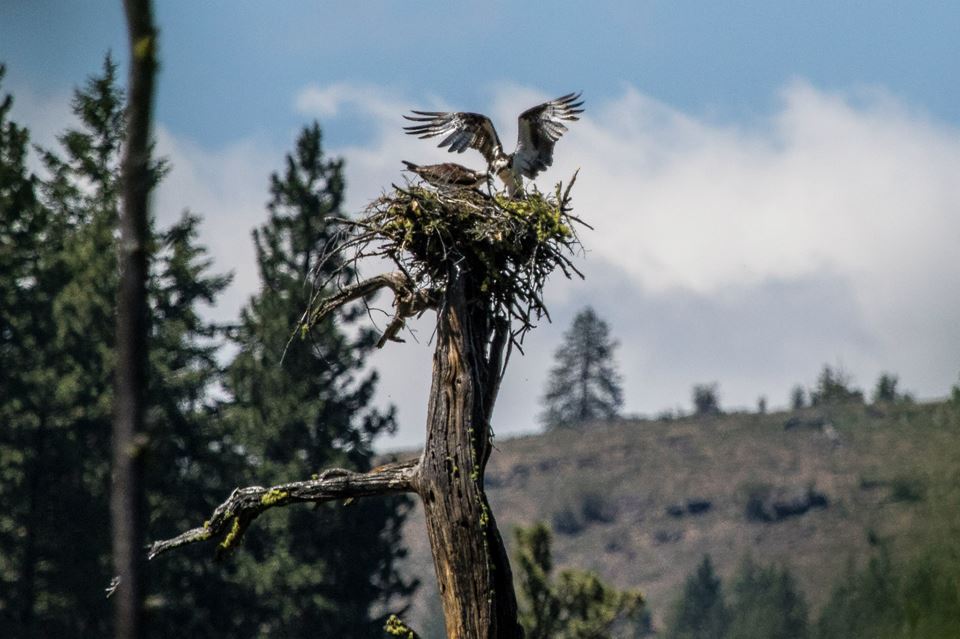
Historically, these patterns happened predictably. Snowpack insulates the soil in winter and releases water gradually. In spring, warming temperatures feed rivers at just the right time for fish, insects, and plants. Now, due to climate change, these events are happening earlier and faster than they did a few decades ago.
Nature’s Timing Shifts
Some species are already adjusting to the new shift. Flowers bloom earlier, insects hatch sooner, and migratory birds may arrive to find insect hatches already underway. These timing differences, known as phenological mismatches, can affect the whole food chain, but the North Cascades are resilient and adaptive.

Even with small changes, the landscape signals spring, snowfields recede, meadows are dotted with early blooms, and streams come alive with tiny hatchlings.

Just like some wildflowers bloom days after the snowmelt, some insects do the same. For example, some insects like stoneflies and caddisflies hatch within days of snowmelt. If the timing is off even slightly, birds relying on them for food may miss an important food source. meal.
Even small changes can ripple through the ecosystem.
Snowpack and Water Flow
Snowpack still plays a role, even as spring arrives. It continues to release water slowly into rivers and streams, sustaining forests, wetlands, and aquatic life.
Warmer winters have caused snow to melt earlier as well as glaciers to recede at an accelerated rate, and rain is becoming more frequent at lower elevations. This shift affects everything from fish habitat to soil moisture. Watching phenological changes, like when flowers bloom, when birds arrive, helps scientists track how climate change is altering these natural rhythms.

One place to really see this is in alpine meadows. Alpine meadows bloom in waves, starting low and moving upward. Earlier snowmelt can speed this process up, changing how plants, insects and birds interact.
That’s why tracking phenology is so important. Noticing when flowers bloom or when birds return helps scientists understand how climate change is reshaping these natural cycles.
Take a moment to notice
Spring is already in motion. Buds are opening, flowers are blooming, and birdsong is back. Each phenological milestone is a reminder that life in the North Cascades continues, even as climate patterns shift.

Paying attention to these small moments, first blooms, first sightings, first songs can actually contribute to real scientific research. Community science projects make it easy to record what you see while you’re out enjoying the season.
Want to get involved? You can join community science programs through organizations like Conservation Northwest or Cascades Butterfly Project to track bloom dates or wildlife sightings, turning your spring adventures into meaningful science!
Spring Is in Full Swing
Phenology shows us that climate change is not just about temperature averages or projections, it’s about timing. When snow melts, when flowers bloom, when insects hatch, and when birds arrive, all of it matters.

Right now, in April, the North Cascades are alive with these events. Longer days, warmer sun, and active ecosystems remind us that spring is not just coming, it’s already here.
By paying attention, we can better understand and protect these seasonal rhythms for the wildlife and communities that depend on them.
Springtime at Diablo Lake: Phenology in Action
As springtime arrives in the northern hemisphere, the upper reaches of the Skagit Valley are slowly waking up.
Diablo Lake is nestled into the North Cascades – the ancestral homelands of the Upper Skagit, the Nlaka’pamux, the Sauk-Suiattle, and the Swinomish peoples. It is an area of immense cultural and ecological significance, managed in part by the North Cascades National Park, and the present location of the North Cascades Environmental Learning Center.
photo credits:Tulips: Pascal van de Vendel
Tiger and Mariposa lilies: Hanna BlackAll others by North Cascades Institute
Excellent explanation, thanks!