

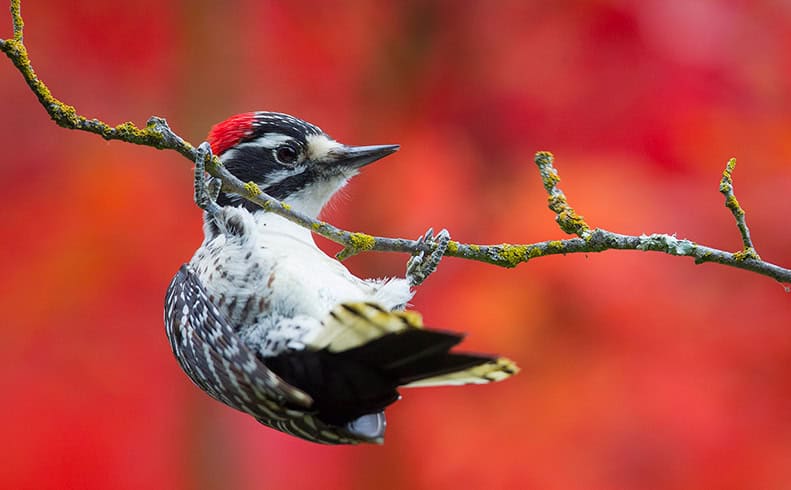
Woodpecker: The Heart of the Forest
Guest post by Paul Bannick
Woodpeckers are one of the most remarkable bird species found in the avian world. They have evolved in ways that make them ecologically critical to forest health, serving as keystone species in a variety of wooded habitats across North America.
 Their activities support a many of other creatures, making them catalysts of diversity in the places they inhabit. Informed by his own experiences in the field as well as extensive research, author and photographer Paul Bannick delves into the natural and cultural history of woodpeckers from the boreal forest of northern Canada to oak woodlands and conifer forests in the United States to the wet tropical forests of Mexico and the Caribbean. Woodpecker highlights 41 different species and their conservation outlook through robust captions, interesting sidebars and a comprehensive field guide that invites readers to get to know these iconic birds in a whole new way.
Woodpecker: The Heart of The Forest
Woodpeckers hopped into my life in an unexpected place. As a young boy of eight or nine, I peered impatiently through the kitchen window into the backyard, waiting for the drizzle to stop so I might escape my tame suburban home to a wilder place where I could watch more than American Robins.
Suddenly, a presumed robin caught my attention. As it bounced closer, the polka-dotted breast, giant bill, bright red mustache, and veins of orange on the tail and wings revealed it was a male flicker! With what seemed like an explosion of red feathers, he was gone. From that moment on, I read everything I could about flickers and other woodpeckers, and I realized how patience, attention, and curiosity could make the common sublime. Instantly I became a woodpecker enthusiast.

Since that day, the call of the woodpecker has led me on many journeys from my backyard to distant continents and inspired me to rise before the sun so that their syncopated drumming might allow me to find them, follow them, and learn about their mysterious lives before they disappear back into the trees. My fascination has only grown over the years as I noticed that no matter where I was in North America, as long as there were large live or dead trees or cacti and surrounding natural landscape—whether the boreal forests of Alaska or the tropical forests of the Caribbean islands—there was at least one species of woodpecker to trigger my wonder and help me better see the richness around me and the woodpecker’s role in enhancing it.
Woodpecker diversity brings wonder to us all. What other family of bird or animal might we see a few or several related species of on a single walk? So many related birds of different sizes, patterns, colors, markings, crests, and calls coexisting in what could superficially be seen as a single landscape defies our perceptions of what constitutes a habitat and its boundaries.
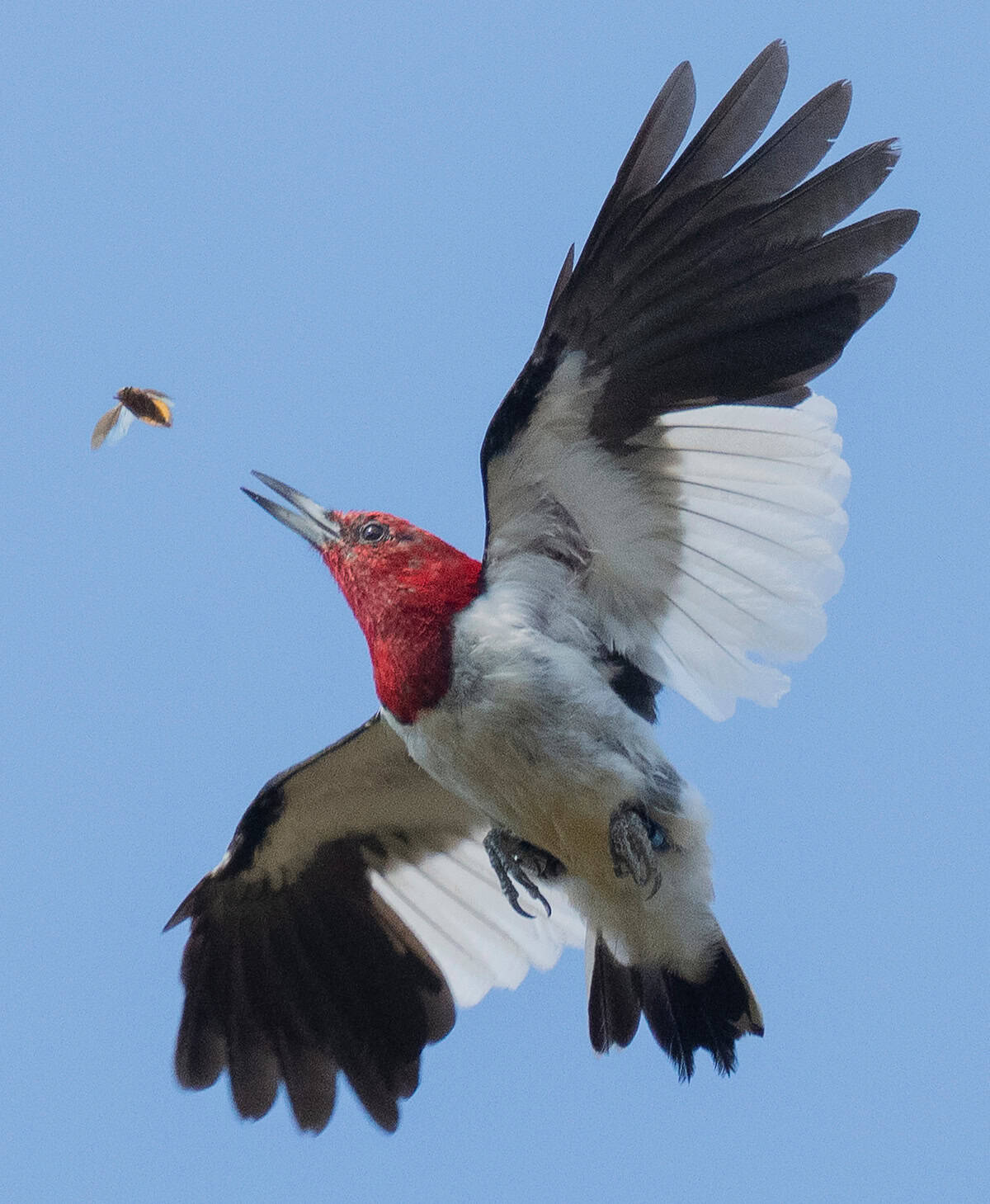
Whenever I observed multiple species in a particular location, I learned how each pursued different prey, on different species of trees, at different heights. Their choice of where and when to nest also varied. The needs of each individual species helped me see a variety of habitats where I had previously seen only one, and assisted me in more clearly understanding the factors that enable their survival.
Since woodpeckers live in every treed habitat in North America, their life stories are in many ways the stories of our wildlands. Every woodpecker alters its own surroundings in ways that create homes for friends and foes, improve the health of natural systems, and even benefit human beings. To witness this ourselves, all we need to do is heed the sounds, follow the flashes of color, and observe the vitality that follows in their wake.

My book Woodpecker contains an exploration of the lives of the forty-one species of woodpeckers in North America, from the Arctic to the Caribbean, through four annual life phases, covering how they attract mates and create nests, how they find food for and raise their young, how the fledglings leave the nest and gain their independence, and how the birds survive winter. Along the way, I discuss the species-specific habitat components that woodpeckers need to successfully navigate each of these life phases.
In telling the stories of these woodpeckers, I focus my lens, narrative, and anecdotes on the species and behaviors that are most representative, while also highlighting interesting exceptions and contrasts. I look most carefully at species that represent the most threatened or sensitive habitats. I hope that by sharing intimate images and stories from the more secreted moments of their life histories, I can motivate people to better appreciate their critical role in enhancing our natural world and perhaps inspire the long-term protection of these birds and the habitats that they rely upon.
About the Author
Paul Bannick is the award-winning photographer and author of four previous books, Snowy Owl: A Visual History, Great Gray Owl: A Visual History, The Owl and the Woodpecker: Encounters with North America’s Most Iconic Birds, and Owl: A Year in the Lives of North American Owls. Based in Seattle, Paul travels all over the world to capture wildlife images that encourage conservation. Learn more at paulbannick.com.
Excerpted and adapted from WOODPECKER: A YEAR IN THE LIFE OF NORTH AMERICAN WOODPECKERS by Paul Bannick (September 2025). Published by Braided River, the conservation imprint of Mountaineers Books. All rights reserved. Used with permission from the publisher.