


From the Trail: The Secret Winter World Underwater in the North Cascades
The Secret Winter World Underwater in the North Cascades
Living close to the Skagit River over the years and watching fall slip into winter can be a magical grounding time, especially after a fresh snowfall. The world feels completely still, no wind, no birds, just the muffled quiet that comes with deep cold. The river can look dark and empty beneath a skin of ice along the edges, but just beneath the water, a whole other world exists. Aquatic animals don’t hibernate like bears, they adapt, slow down, and keep living in clever ways.
So what really happens underwater when winter takes over?
Cold Water Changes Everything
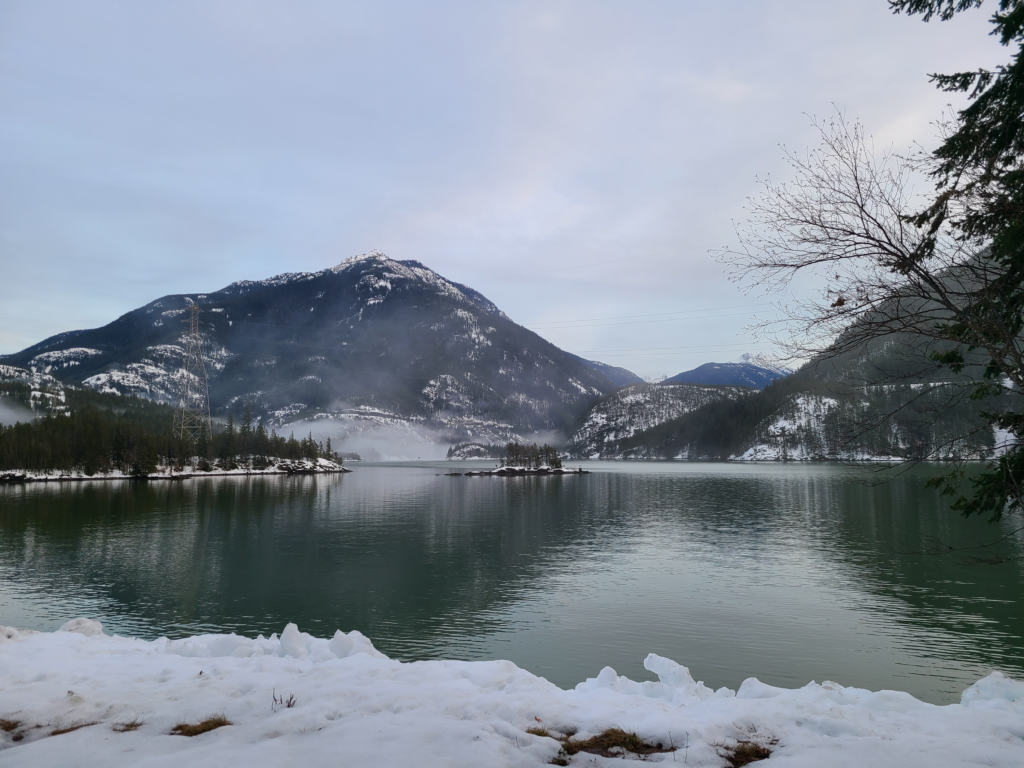
Water in the North Cascades rarely freezes solid, even during the coldest months. Flowing water stays just above freezing, which is good news for aquatic life. Fish and aquatic insects are cold-blooded, so cold water slows their bodies down. Their hearts beat more slowly, they move less, and they don’t need as much to eat.
Diablo Lake, Lake Chelan, Skagit River and the Stehekin River share many, but not all of the same fish species such as, rainbow trout, eastern brook trout and dolly varden. These fish switch into energy-saving mode during winter, instead of swimming fast or chasing food, they settle into deeper pools, lake bottoms, or calm areas behind rocks and fallen logs. In these areas the water temperature is steadier and the current is gentle and ideal for resting through winter.
Ice Isn’t Always on Top
One of winter’s strangest and fascinating underwater features is anchor ice. Anchor ice can occur in the North Cascades cold, glacial fed streams and lakes, especially at higher elevations or during deep freezes. This ice forms on rocks at the bottom of streams when super cold water freezes from below. Anchor ice can lift rocks, trap tiny animals and sometimes break loose all at once, which seems dangerous, but the animals of the North Cascades waters are built for it. Over thousands of years, they’ve evolved ways to survive icy surprises.
Macroinvertebrates: Tiny But Mighty
Macroinvertebrates are small aquatic animals without backbones, like mayfly, stonefly, and caddisfly larvae. Even though they’re tiny, they’re incredibly important and surprisingly tough.
Many macroinvertebrates cling tightly to rocks using hooks, suction, or silk threads while others flatten their bodies and tuck themselves under stones where the current is slower and ice is less likely to form. Caddisfly larvae build protective cases from sand, pebbles, or plant bits, creating tiny winter shelters.
Stoneflies are winter specialists. Some species grow best in cold water and even emerge as adults during snowy months. If you ever see a small insect crawling across snow near a stream, you’ve probably spotted a winter stonefly using natural antifreeze chemicals to stay active.

Life Under Frozen Lakes
In lakes, winter brings a different vibe. Ice often forms on the surface, but it acts like an insulating blanket, keeping the water underneath from freezing solid. Fish move into deeper water where temperatures stay more stable. They swim slowly, eat very little, and conserve energy until spring.
Microscopic plants and animals continue to float beneath the ice, quietly supporting the lake food web, even when sunlight is limited.
Why Winter Underwater Life Matters
Winter is not a break, it’s a preparation. Fish that survive winter go on to spawn. Macroinvertebrates emerge in spring, feeding birds, bats, and fish. Leaves and nutrients continue to be recycled, keeping streams healthy year-round.
So the next time you cross a snowy bridge or pass a frozen stream in the North Cascades, remember the hidden world below. Under the ice and snow, life is still moving, slowly, quietly and patiently, waiting for warmer days ahead.
Top photo by Angela Burlile
 Marissa Bluestein is a naturalist, writer, former ranger and environmental educator with a deep affection for Pacific Northwest landscapes. She has spent many seasons sharing her love for public lands and environmental education with visitors from around the world in roles with the National Park Service – including North Cascades, Olympic, Sequoia and Kings Canyon National Parks. Marissa enjoys sharing naturalist-inspired stories and answers to everyday outdoor recreation and exploration questions. Leave your in the comments below!⠀⠀⠀⠀⠀⠀⠀⠀