


Leave No Trace in the North Cascades: Protecting a Wild Place During Peak Adventure Season
Summer is one of the busiest times of year in the North Cascades. As snow melts from higher elevations and more trails become accessible, hikers, backpackers, climbers, and paddlers head into the park to explore its rugged peaks, alpine lakes, and vast forests. With more people enjoying these landscapes, it’s important to remember that even small actions can have lasting impacts on the places we visit. As visitation increases during the summer months, following the seven Leave No Trace principles becomes even more important. Practicing Leave No Trace helps protect trails, campsites, wildlife habitat, and the overall experience for everyone who visits.
Plan Ahead and Prepare
A successful trip begins long before stepping onto the trail. Summer conditions can vary significantly across the North Cascades, with lingering snowfields, changing weather, wildfires and varying trail conditions. Research your route, check forecasts, understand permit requirements, and bring the appropriate gear.
Planning ahead not only improves safety but also reduces impacts on the environment. Well-prepared visitors are less likely to create new campsites, take damaging shortcuts, or leave behind equipment and waste when challenges arise.
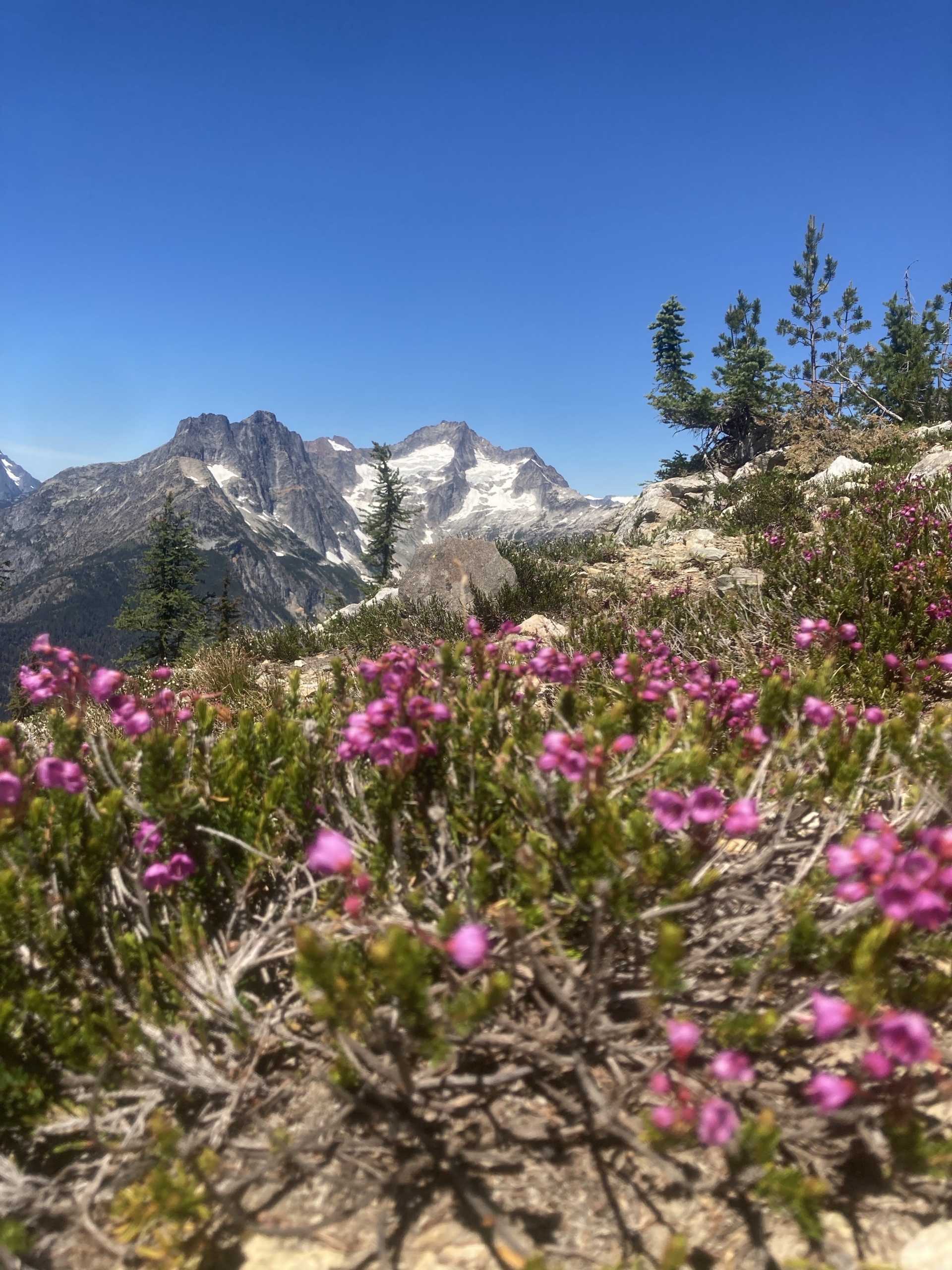
Travel and Camp on Durable Surfaces
Many alpine plants in the North Cascades grow slowly because of the region’s short growing season. A few footsteps through a meadow may not seem significant, but damaged vegetation can take years to recover, just ask mountain heather. It can be tempting to step off trail for a photo or a better view, especially in alpine areas. However, repeatedly walking through vegetation creates informal paths and can damage fragile plant communities. Staying on established trails helps protect these areas from unnecessary wear. Stay on established trails whenever possible and camp only in designated sites or on durable surfaces such as rock, gravel, or hardened ground. By concentrating use in appropriate areas, visitors help protect fragile vegetation and reduce erosion throughout the backcountry.
Dispose of Waste Properly
One of the simplest Leave No Trace principles is also one of the most important: pack it in, pack it out.
All trash, food scraps, and litter should leave the backcountry with you. Even biodegradable items such as fruit peels, nut shells, and food scraps can attract wildlife and alter natural ecosystems. Proper disposal of human waste is equally important and should always follow local regulations and best practices.
A clean campsite should look as though no one was ever there.
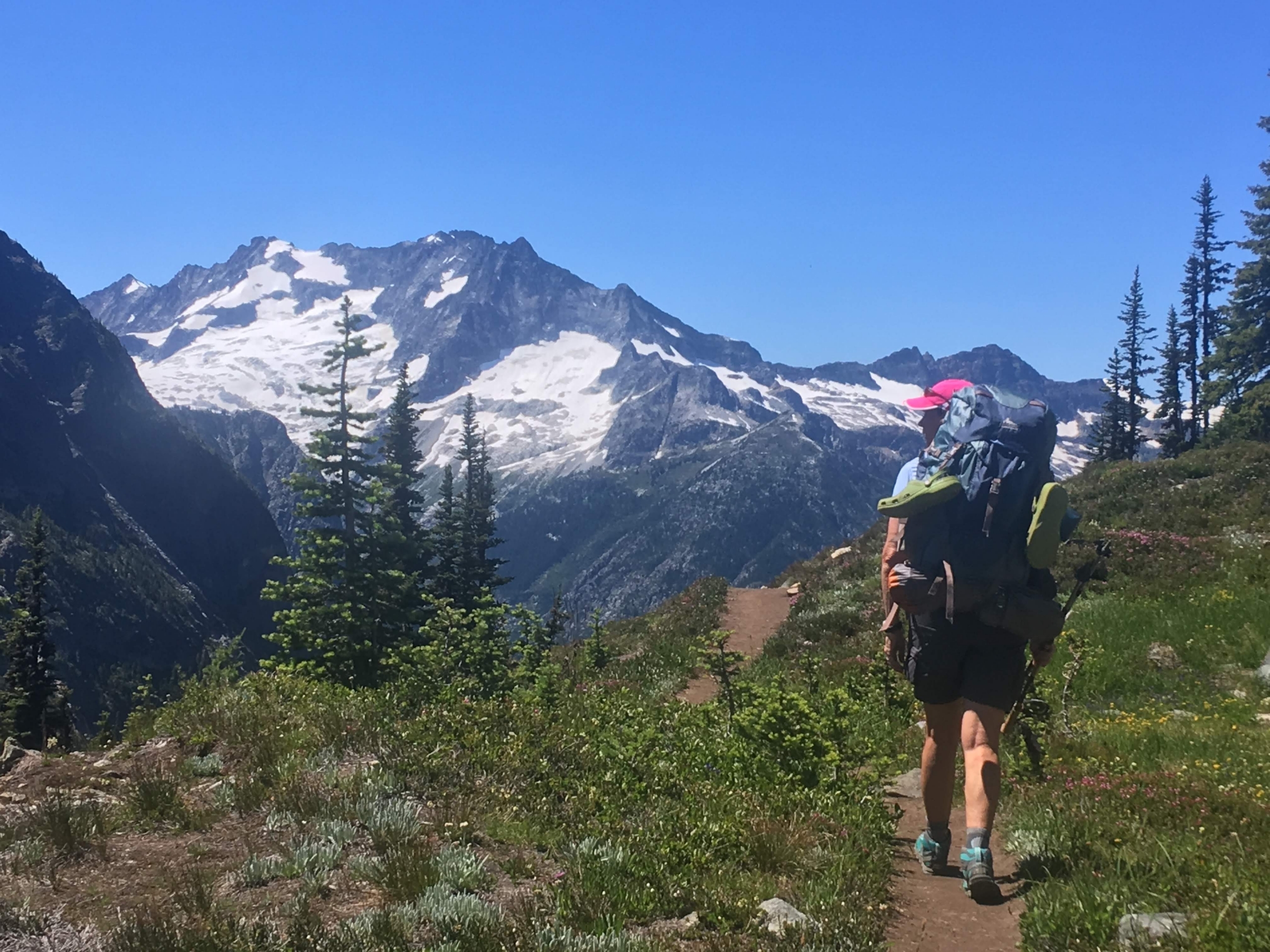
Leave What You Find
Part of the magic of the North Cascades is discovering its natural wonders. Whether it’s a patch of wildflowers, an unusual rock formation, or evidence of the area’s rich natural history, these features are best appreciated where they are found.
Avoid picking flowers, moving rocks, carving into trees, or collecting souvenirs. In national parks, natural and cultural resources are protected by federal law. Leaving natural and cultural features undisturbed preserves the experience for future visitors and protects the integrity of the landscape.
Minimize Campfire Impacts
Campfires have long been a part of outdoor recreation, but they can also have significant impacts on the environment. In many areas of the North Cascades, campfire restrictions exist to protect natural resources and reduce wildfire risk.
Before lighting a fire, know the regulations for the area you are visiting. When permitted, use established fire rings and keep fires small. Better yet, consider using a camp stove for cooking. Small decisions can make a big difference in protecting forests and reducing the risk of human-caused wildfires.
Respect Wildlife
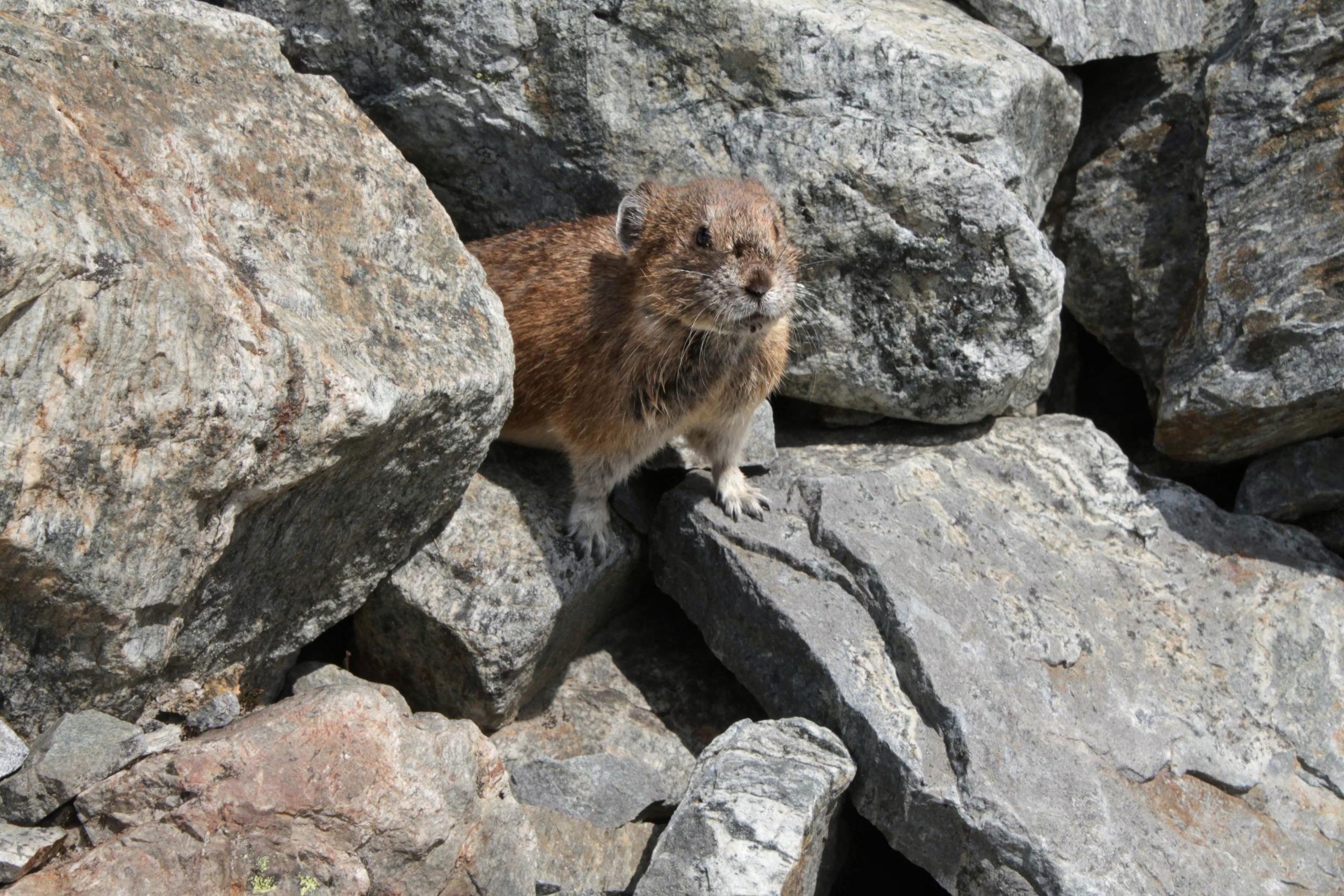
Wildlife encounters are often among the most memorable parts of any North Cascades adventure. North Cascades National Park provides vital habitat for more than 75 species of mammals, 200 bird species, and diverse amphibians and fish. Black bears, mountain goats, marmots, deer, pikas (above) and birds are some of the most common wildlife you will see while visiting the area.
Observe animals from a safe distance and never feed them. A general rule is to stay 25 yards away from most wildlife and 100 yards away from predators like bears and wolves. Secure food and scented items properly, and avoid approaching wildlife for photographs. Feeding or disturbing animals can alter their behavior, threaten their health, and create dangerous situations for both wildlife and people. Giving wildlife space allows animals to remain wild and reduces the likelihood of negative encounters.
Be Considerate of Other Visitors
The North Cascades offer opportunities for solitude, reflection, and adventure. Every visitor plays a role in preserving that experience.
Keep noise levels down, yield appropriately on trails, respect campsite boundaries, and practice courtesy when sharing popular destinations. Small acts of consideration help ensure that everyone can enjoy the peace and beauty that make this landscape so special.
A Shared Responsibility
The North Cascades remain one of the most remote and undeveloped landscapes in the country, but that character depends on the choices visitors make every day. As summer recreation reaches its peak, whether you’re spending an afternoon on a popular trail or several days in the backcountry, following Leave No Trace principles helps protect the park’s ecosystems and ensures others can enjoy the same experience in the future.
All photos by Marissa Bluestein